Darwin Excavation Contractors
Call 08 7943 6030Excavation in Darwin
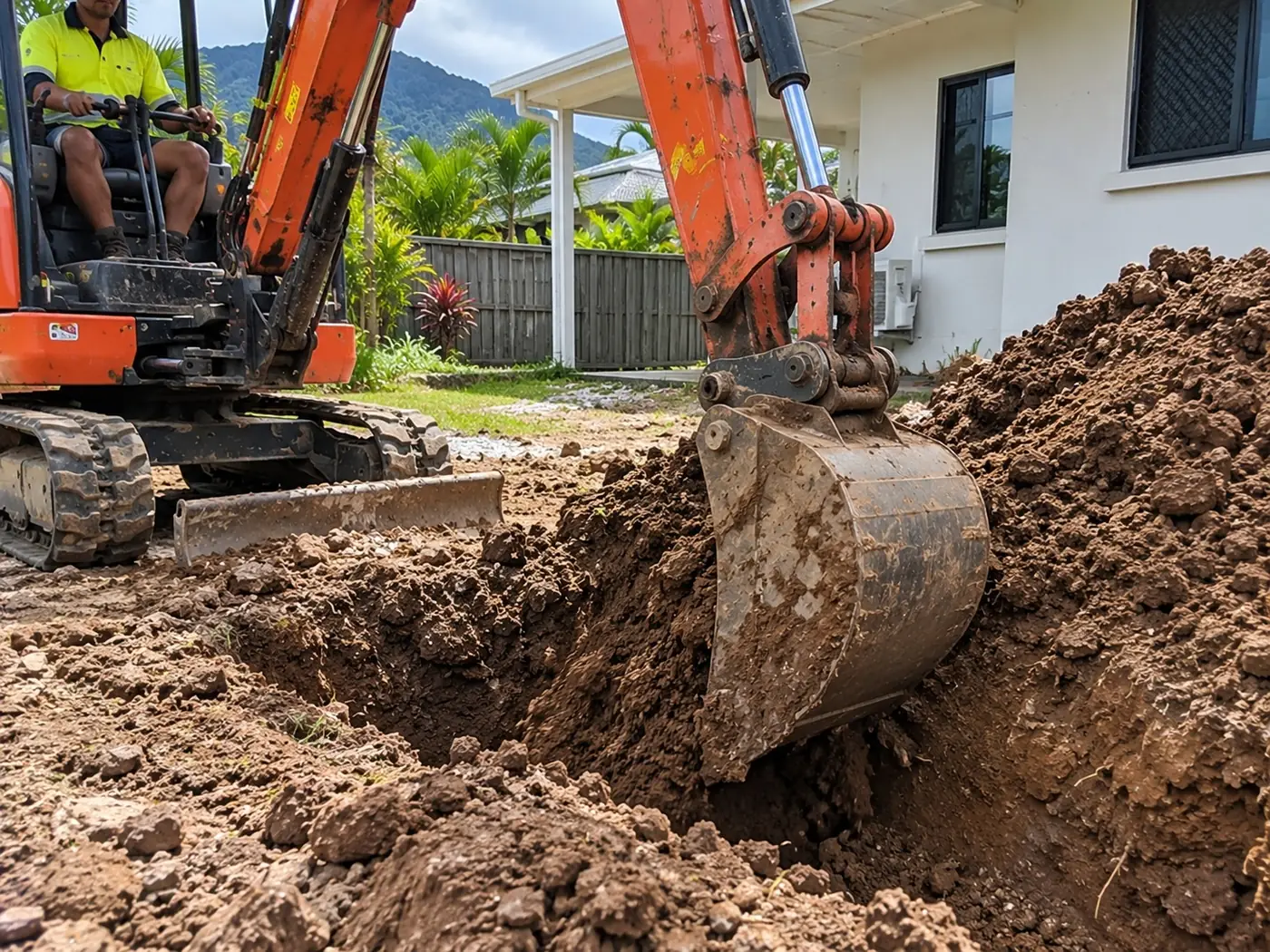
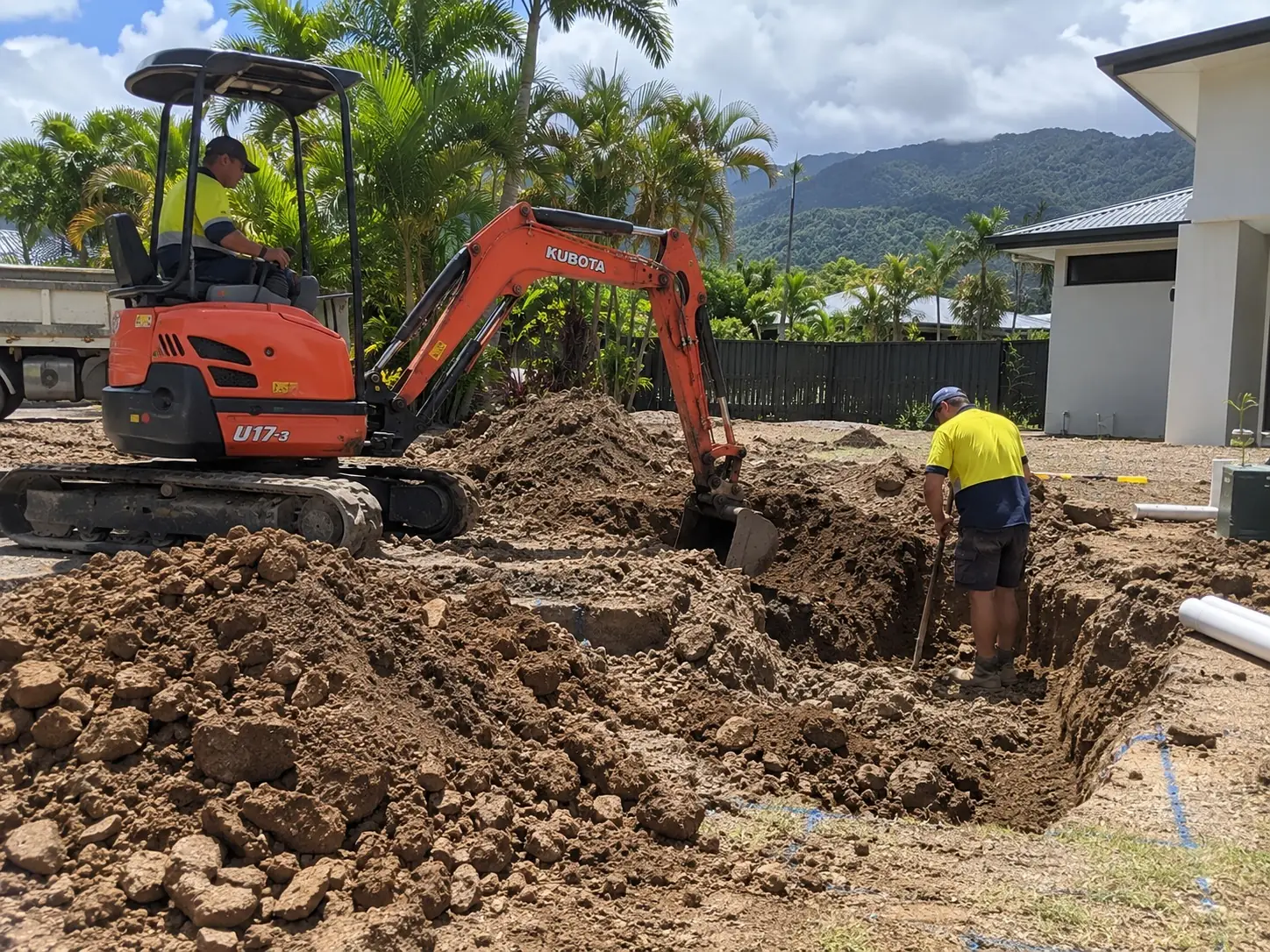
Professional excavation in Darwin lays the groundwork for every successful construction project. We provide reliable excavation in Darwin for house sites, slabs, driveways, pools, retaining walls, drainage and commercial developments. Our experienced operators use modern machinery to dig accurately to your levels, keeping your project on schedule and on budget.
Whether you need a small residential dig or a large site cut, we plan carefully, check for underground services and manage soil removal efficiently. We understand Darwin's ground conditions and wet season challenges, so we work smartly to avoid delays and damage. Our team is safe, tidy and easy to deal with. Contact us today for a free quote on excavation in Darwin.
Our Excavation Work Around Darwin
Building Pads Cut and Filled
We cut and fill your building platform to the levels on your plans, compacting fill in layers so the slab that follows is evenly supported. We check heights against the site pegs as we go, so your builder gets a pad that matches the drawings.
Footing and Pier Excavation
We dig strip footings, edge beams and pier holes to your engineer's dimensions, with clean bases and straight runs. Raising or building in under an elevated home? Our smaller buckets let us work close to existing stumps and walls.
Raised Pads and Driveway Levels
Need your house, shed or carport sitting above wet-season water? We build up and shape fill so the pad stays dry and the driveway meets it at a comfortable grade, something rural blocks around Humpty Doo, Howard Springs and Girraween often need. Levels are left neat so your concreters can form up straight away.
Pool Excavation
We dig your pool to the shape and depth on your pool builder's plans, loading spoil out as we go so the yard stays usable. On low-lying blocks we keep an eye out for groundwater, and if hard ironstone shows up, we plan for breaking it out.
Tanks, Pits and Deep Holes
Putting in an underground rainwater tank, stormwater detention, septic system or pump station? We dig the deep, accurate hole your plumber or builder needs, shore the sides where required and backfill around the tank once it's in position.
Site Clearing and Topsoil Strip
Before the main earthworks, we clear vegetation, pull stumps and strip the soft topsoil from your building and driveway areas. Good topsoil can be stockpiled for your garden later, while roots and green waste go off site so nothing rots under your slab.
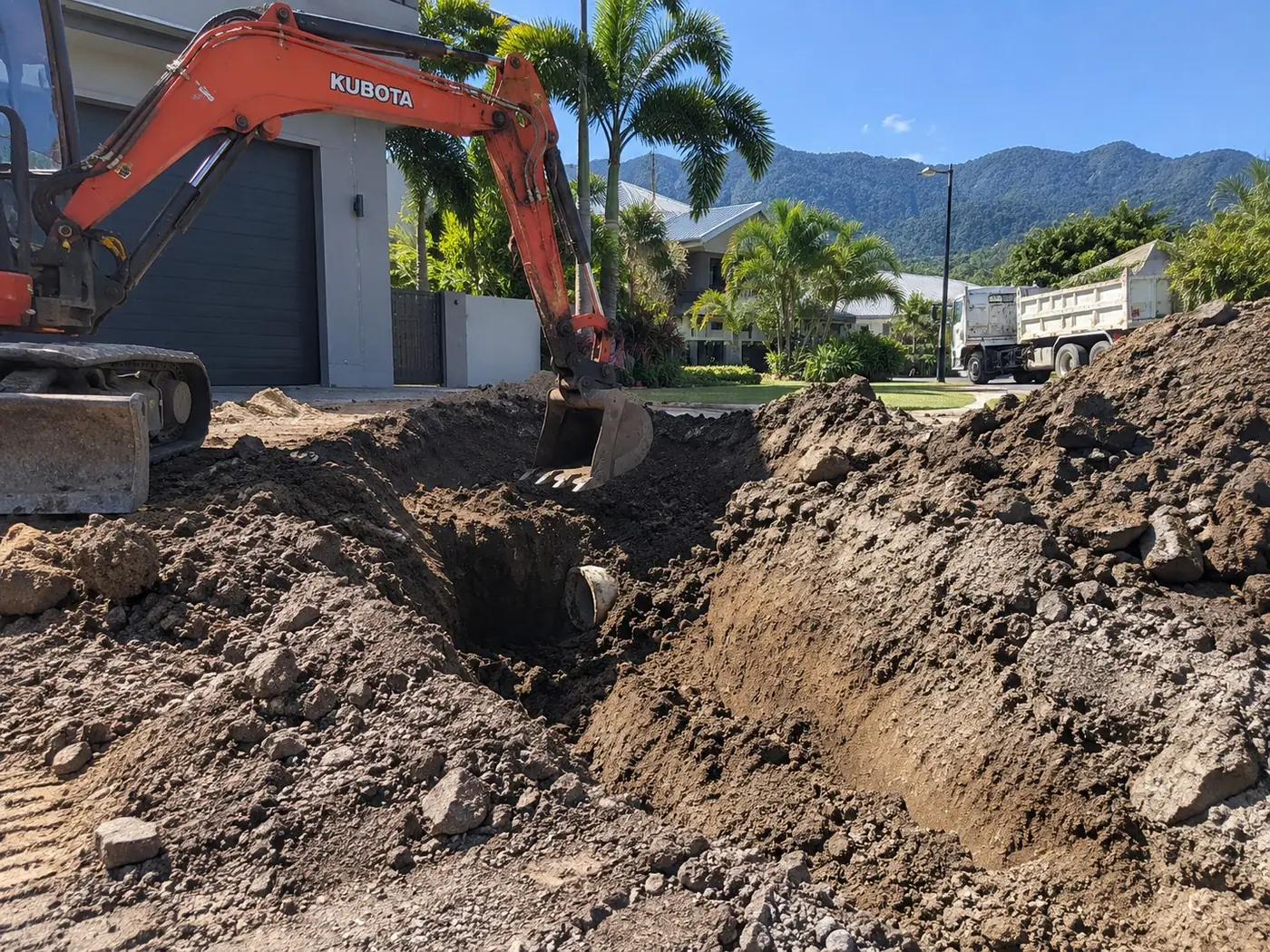
Three Easy Ways to Book Excavation in Darwin
Your excavation sets the levels for everything built on top, so it's worth getting the details sorted early. Clearing for a house pad, shed or pool? Here are the simplest ways to get started with us.
- Send us your location: A map pin or lot number plus a quick description of the build lets us check access before we come out.
- Forward your plans: Send through the architect's, builder's or engineer's drawings so we can calculate cut depths, fill volumes and where the spoil goes.
- Meet us on site: Walk the block with us to talk about rock, levels, trees and buried services, and to lock in a start date that works for your builder.
Darwin ground can throw up surprises, from ironstone gravel just below the surface to soft, wet soil near creeks and mangroves, so we plan for what's underneath. We can also help you time your dig so bare ground isn't sitting open to wet-season downpours longer than it has to. Get in touch and we'll prepare a free quote for your excavation.
Why Darwin Builders and Owners Call Us for Excavation
Levels Checked All the Way
We run a laser level and keep checking against your builder's datum throughout the dig. That way your cuts finish at the heights on the plans, rather than coming up too deep or too shallow when the formwork goes in.
Safe, Stable Excavations
Wet clay and sandy soil can collapse with little warning. We batter deeper cuts back to a safe angle, or shore them where there's no room to batter, and we fence off open trenches so your site stays safe for everyone.
We Tell You Straight Away
Hit unexpected rock, a soft patch, old fill or groundwater? You'll hear from us right then, with options and likely costs, before we go any further. You should never find out about extra charges for the first time on the invoice.
Realistic Spoil Figures
Carting and tipping can make up a big slice of an excavation bill. We work out volumes from your plans and the site itself, allow for soil swelling once it's dug, and list that cost as a separate item.
Good Neighbours on Site
Trucks, noise and mud on the road affect everyone nearby. We work reasonable hours, keep the footpath and kerb clean, and plan truck movements so shared driveways and the neighbours' access stay open.
Handed Over Build-Ready
We finish with stable faces, clean trenches and clear access, and we confirm the final levels with you or your builder. Formworkers, plumbers or our own concrete crew can then get started without cleaning up after us first.
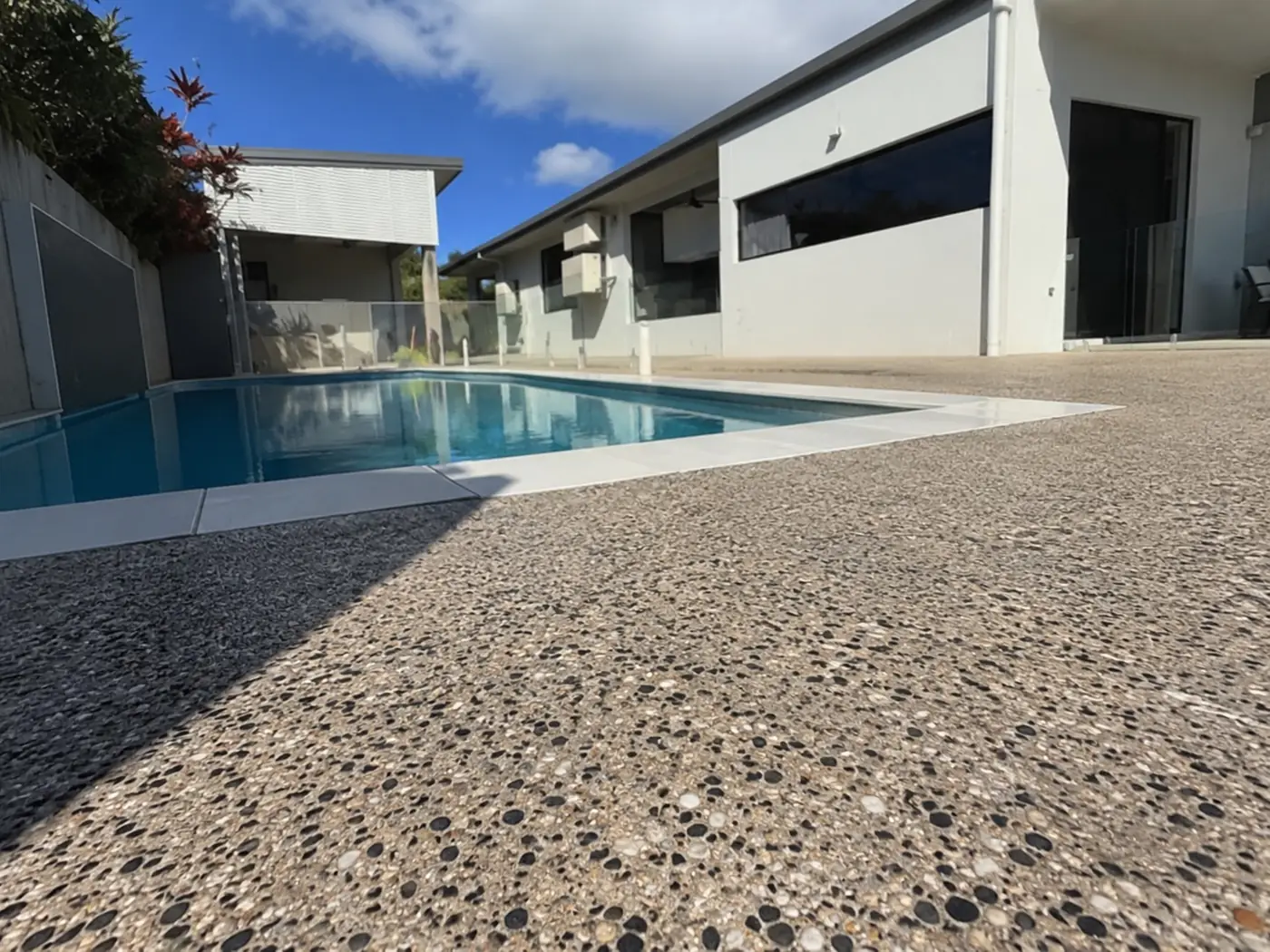
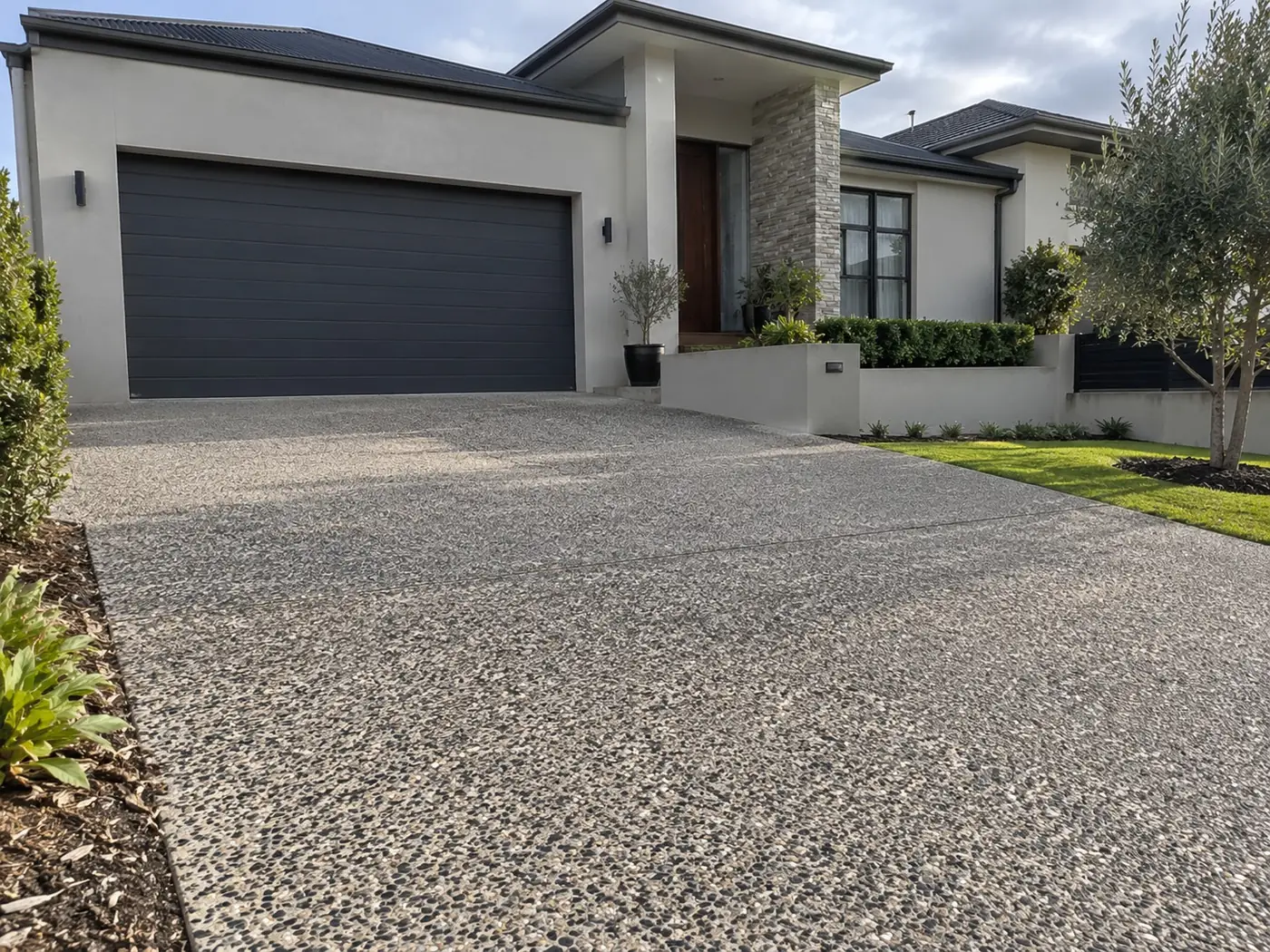
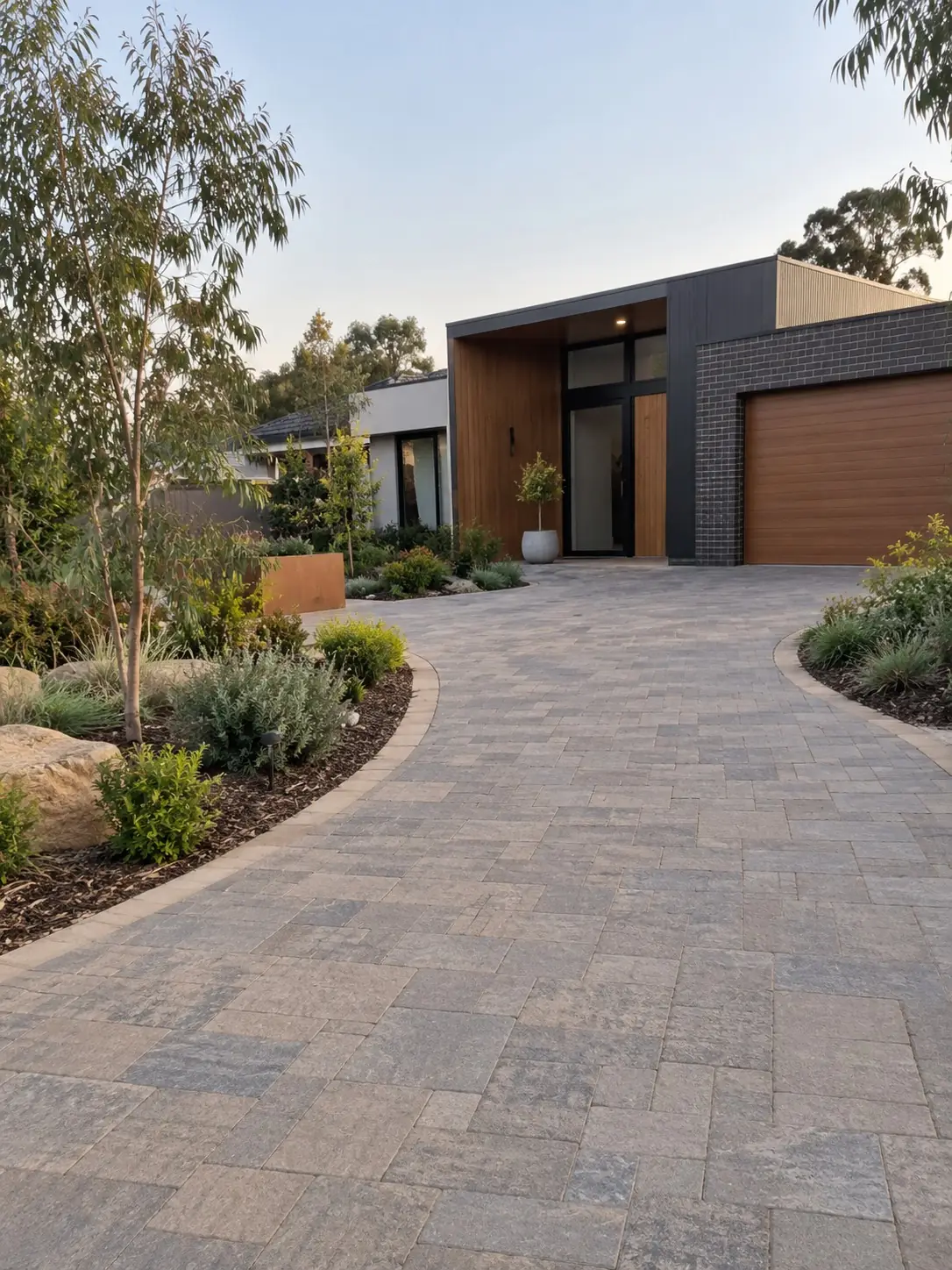
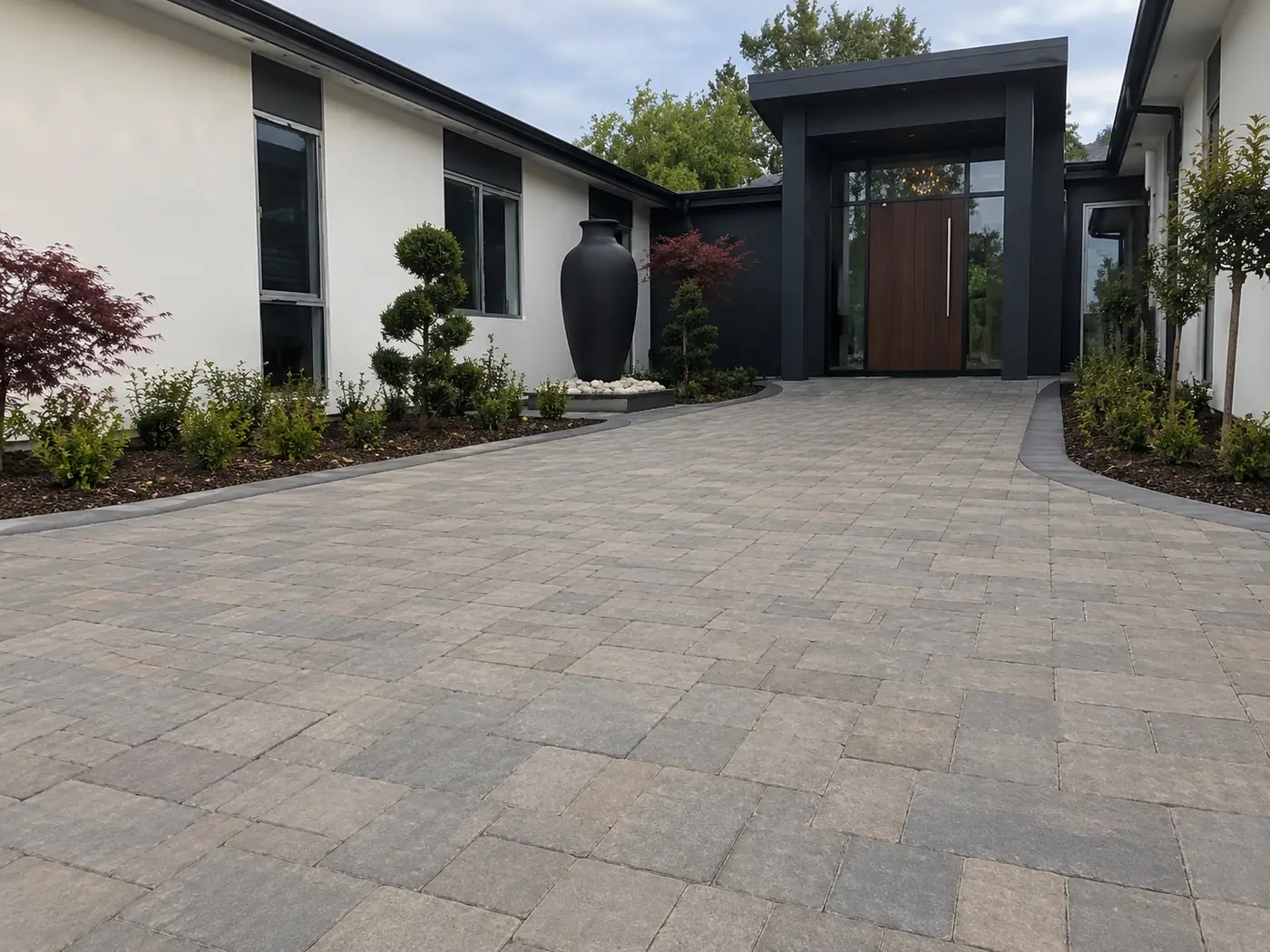
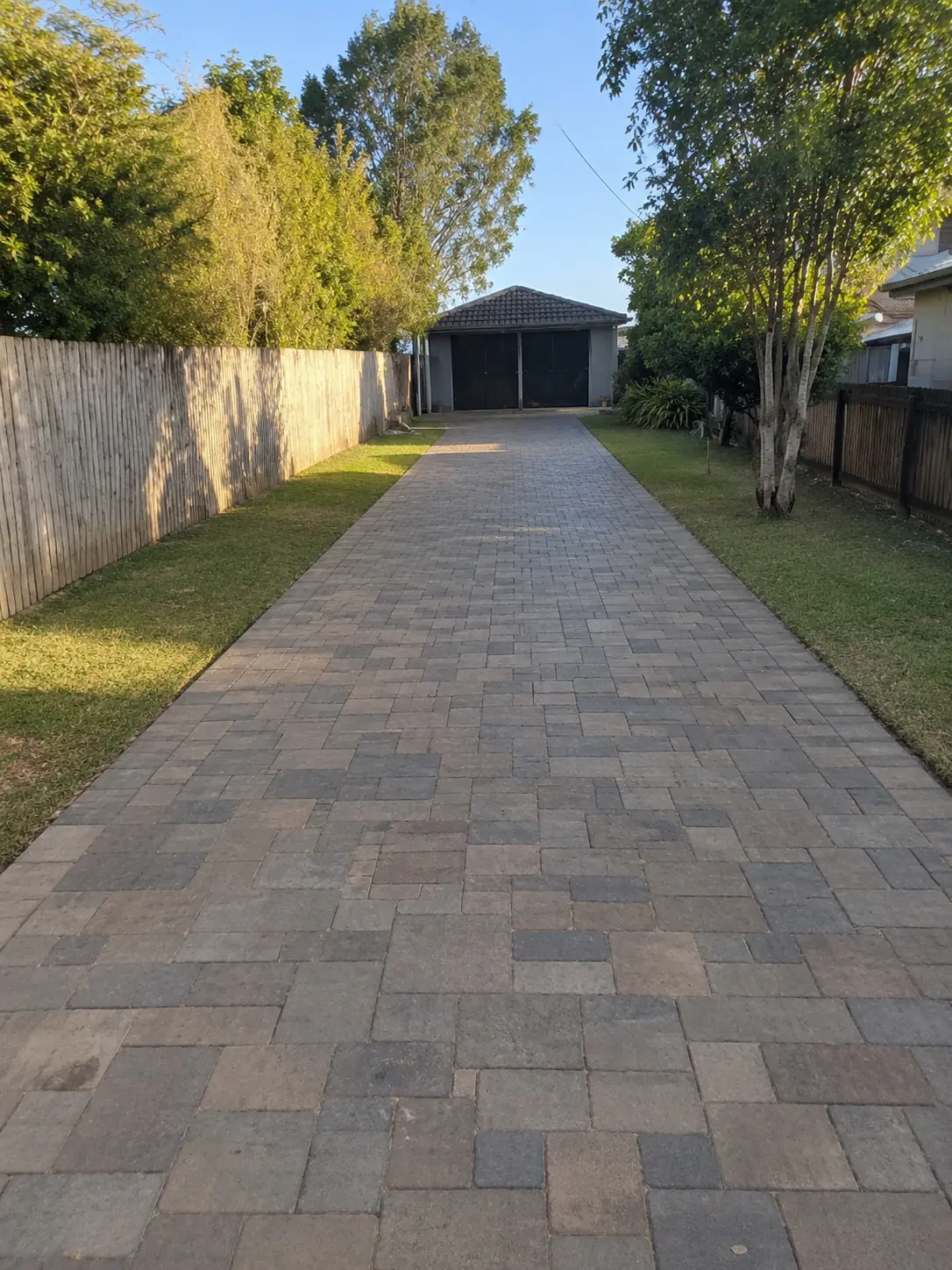
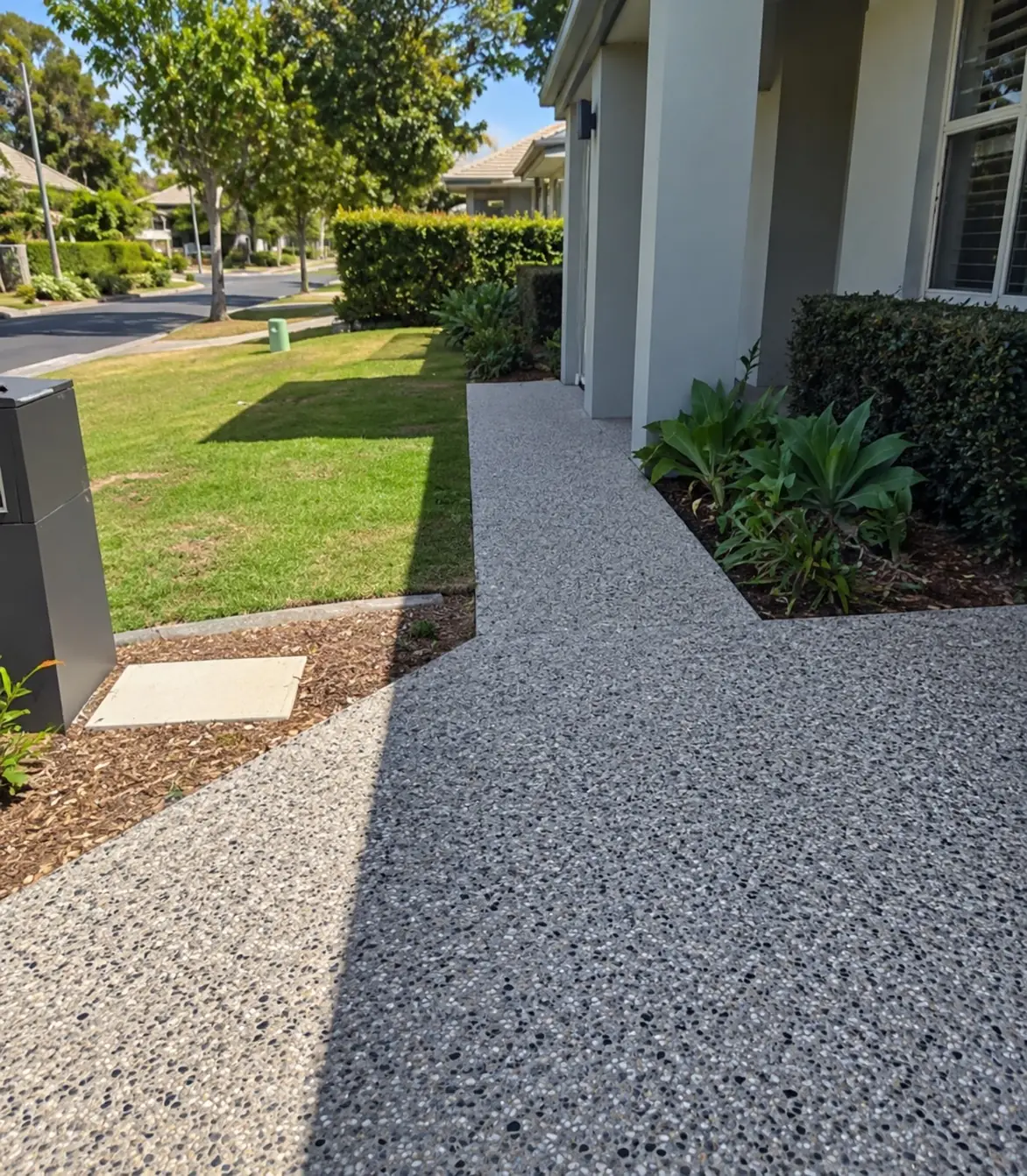
Recent Concrete Jobs Around Darwin
Your Excavation Questions Answered
What Darwin customers ask before earthworks begin: what affects the price, finding buried services, digging low or coastal blocks, spoil and approvals.
There's no dependable flat rate, so we quote each job once we've walked your site. The volume of soil is only one part of the price. Ground conditions can make just as big a difference: sandy loam digs fast, but cemented ironstone or lateritic caprock may need a rock breaker and a lot more machine time, and soft, wet ground near creeks can slow everything down. Access comes next. An open rural block where a full-size excavator can drive straight in costs far less to dig than a tight inner-city lot where a mini excavator has to make many trips. Then there's trucking and tip fees for any soil leaving the site. We list digging and cartage separately in your quote.
We assume something is down there until we know otherwise. Before every excavation we lodge a BYDA request, which brings back plans from the organisations that manage water, sewer, gas, power and telecommunications. Those plans only cover public networks, and older Darwin properties often have unrecorded private lines like stormwater, a cable to the shed or irrigation. So we also look for clues on the surface, such as meter boxes, sewer inspection openings and pit lids. If there's still doubt, we expose the line carefully by hand or with a vacuum truck. That's far cheaper than cutting a live cable or a water main.
It needs more planning. Darwin is mostly flat, so the challenge isn't slope, it's water. Low blocks near creeks, mangroves and the harbour, and rural lots that stay wet through the wet season, bring three questions: keeping the machine from getting bogged, supporting trench and pit walls in soft or saturated ground, and making sure the finished levels send water away from your building. That last one is the easiest to overlook. Changing your ground levels changes where runoff goes, including onto the neighbours, and a pad or cut without proper drainage can cause trouble in the first big storm of the wet. Drainage, and any retaining, should be designed together with the dig, not tacked on afterwards.
If it's suitable, keeping it on your block for landscaping or to raise a low corner is usually cheapest, since nothing needs trucking away. That only works if the soil is right for the job and there's a sensible spot for it. Clay-heavy or organic soil, for instance, makes poor fill under slabs and driveways. Any surplus is carted to an appropriate landfill or recycler. Clean fill and contaminated soil are handled and charged very differently, so when we quote, let us know about anything in your site's history, like an old fuel tank, buried rubbish or past industrial use.
You might. It depends on how deep you're cutting and filling, how close the work is to boundaries and buildings, and the type of land. Cliff-top coastal lots, flood-prone or storm-surge areas, waterways and protected vegetation can all trigger requirements under the NT Planning Scheme, and earthworks that are part of a building project may be covered by that approval. On low coastal ground, acid sulfate soils may also need to be assessed before digging. We'll point out anything that looks relevant when we visit, but please confirm with your local council or a registered building certifier before work starts.
Related services worth a look
Planning a dig on your block?
Send us your address and a rough idea of the plans, and we'll come out to check access.