Darwin Concrete Cutting Contractors
Call 08 7943 6030Concrete Cutting in Darwin
Accurate, clean cuts are essential for renovations, repairs and new installations. Our concrete cutting in Darwin covers slab sawing, wall sawing, core drilling, road sawing and control joints for residential, commercial and industrial projects. We provide fast, precise concrete cutting in Darwin using professional equipment that minimises dust, noise and damage to surrounding areas.
Whether you need an opening for a door or window, a trench for plumbing, or sections removed for repairs, our experienced operators work safely and efficiently. We follow strict safety standards and scan for services before cutting to avoid hazards. Clear communication and tidy sites are part of every job. Contact us today for a free quote on concrete cutting in Darwin.
Our Concrete Cutting Work Around Darwin
Door and Window Openings
Planning a new doorway, window, pet door or servery hatch in a block or poured concrete wall? Once your builder has the propping or lintels sorted, we saw the opening clean and square, so the frame drops in neatly and the finishing trades have very little to patch.
Core Holes for Aircon and Pipes
We core tidy round holes through slabs, walls and suspended floors for drainage, split system lines, solar cables and exhaust ducts. Each one is sized to suit the fitting so your trades can seal it properly, which matters in the Top End where rain and insects find every gap.
Removing Damaged Sections
Got a sunken or broken panel in your driveway, path or patio? We cut it free so only the damaged part comes out. The same method lets us trim a slab back for a wider driveway, a new garden bed or a pool fence footing while the rest stays untouched.
Trenches Through Existing Slabs
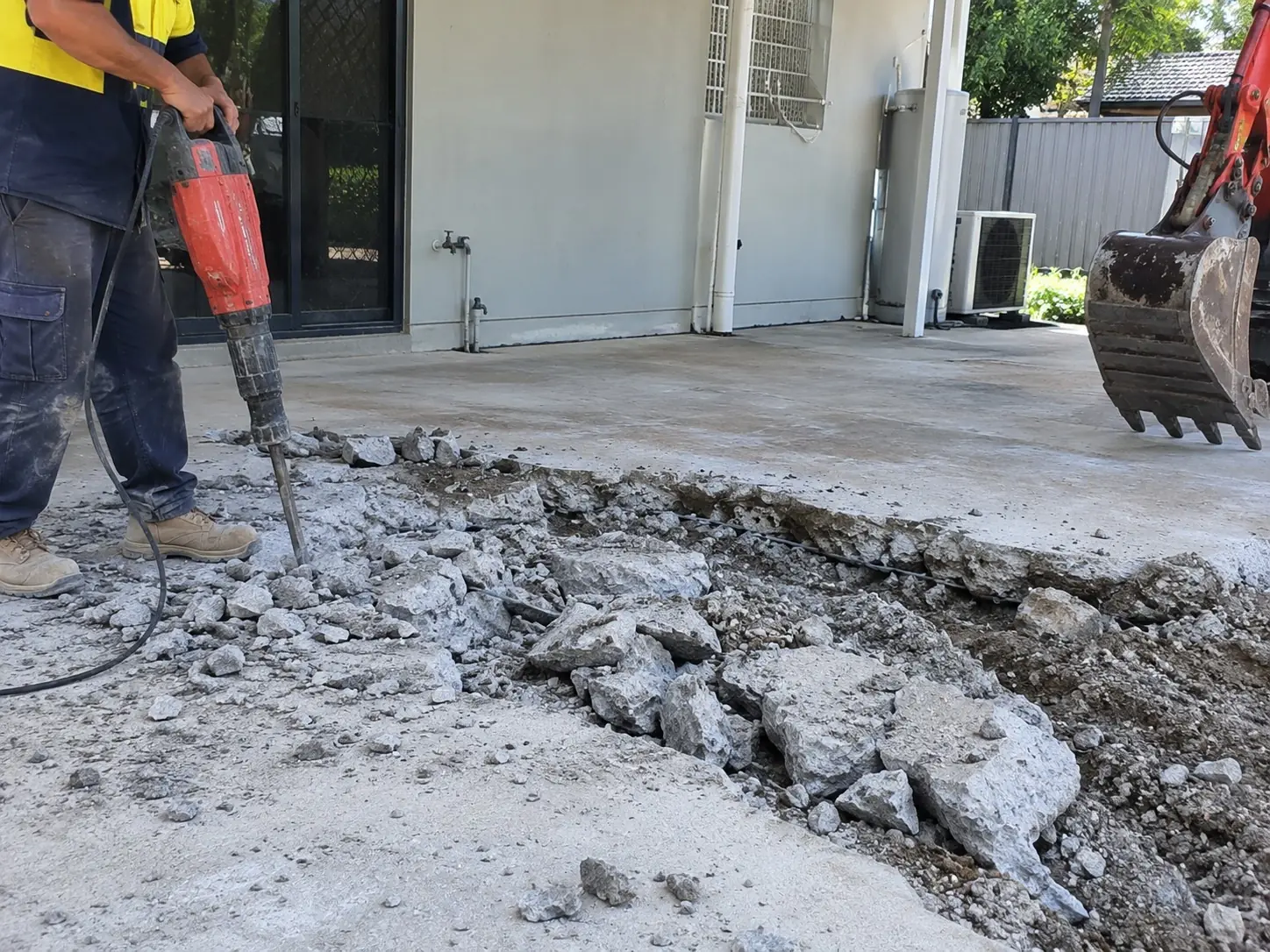
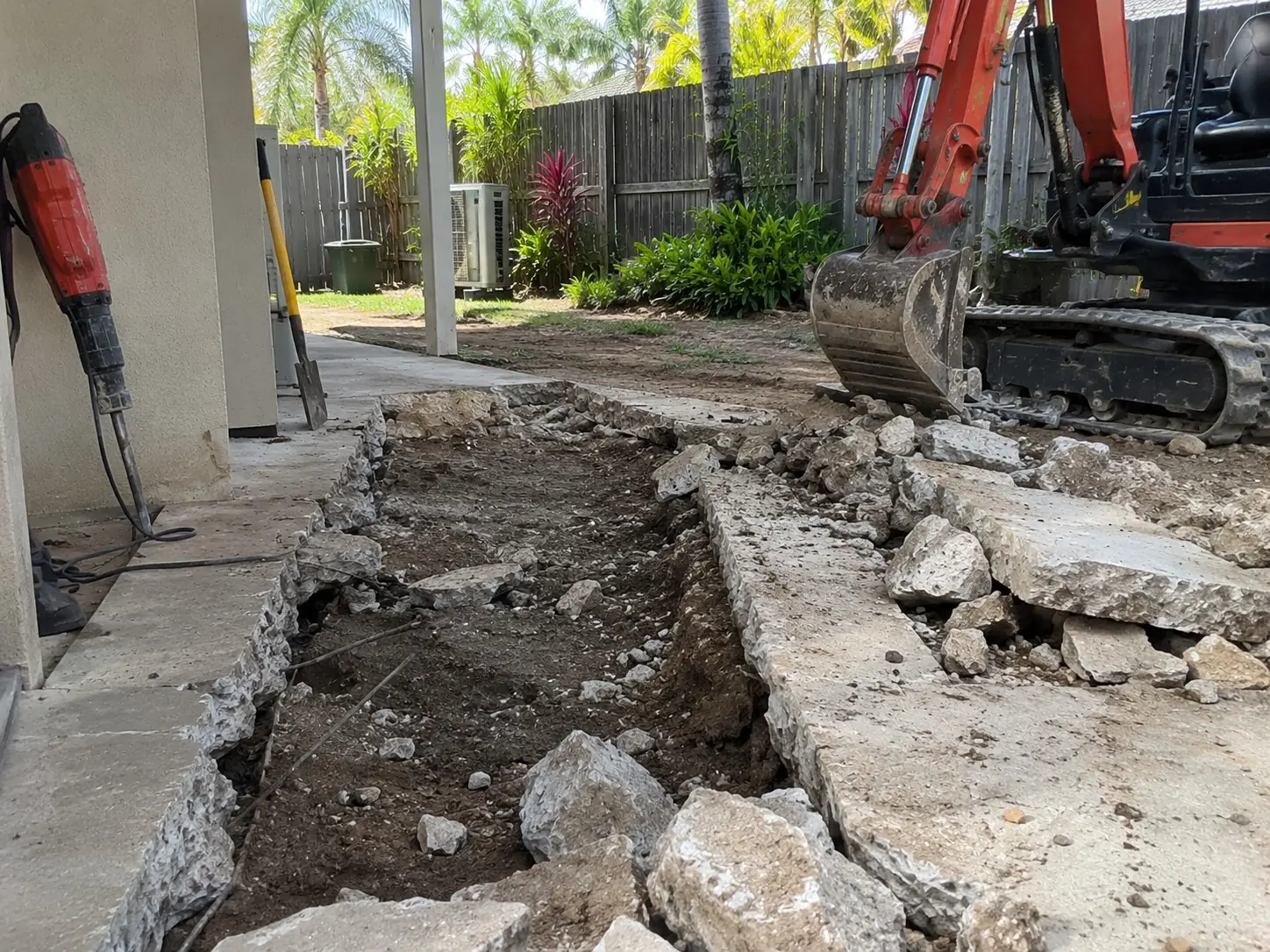
We saw narrow channels through garage floors, laundries and driveways so your plumber can move drains, add a bathroom when you build in under an elevated home, or run conduit out to a shed. Two parallel cuts and a careful break-out keep the trench neat and quick to backfill and patch.
Kerb Cutting for Crossovers
We cut the kerb and channel, or an existing footpath, so a new driveway crossover can go in at the approved width. Moving or widening an old crossover? We trim it back too, leaving a straight edge your concreters can form up against.
Grip Grooves for Ramps
We saw shallow grooves across driveway ramps, garage aprons and pool surrounds to give tyres and feet better grip when it's wet. It's a simple fix for a smooth slab that gets slippery in wet-season rain or under a film of mould, without resurfacing the whole area.
Three Easy Ways to Book Concrete Cutting in Darwin
Opening up a doorway, running new plumbing or taking out a section of slab? A clean cut starts with clear details. Choose whichever of these options suits you to tell our Darwin operators what you need.
- Mark where it goes: Spray paint or chalk the cut line, take photos from a couple of angles and send them our way.
- Share any service drawings: Got plumbing or electrical plans? Forward them so we have a fair idea where pipes and cables run before we scan.
- Give us a ring: Tell us if it's a driveway, wall or floor and roughly how thick it is, and we'll talk you through the saw options.
Cutting inside a lived-in home or a busy shop takes extra care, so we'll agree on slurry control, noisy-work times and access before we begin. Older Darwin homes sometimes have unrecorded pipes under the slab, which is why we always scan first. Get in touch today and we'll prepare your free quote.
Why Darwin Clients Call Us for Concrete Cutting
Cutting At The Right Moment
Fresh concrete gives you a narrow window for sawing joints. Cut too soon and the edges fray; too late and the slab cracks wherever it likes. Darwin's heat shrinks that window, so we read how each pour is going off rather than sticking to a fixed timetable.
Joints Planned For Your Slab
Joints that are too shallow or too far apart give cracks free rein. We work out depth and spacing from your slab's thickness and layout, so any cracking follows the joints instead of wandering across the middle of a panel.
The Right Blade Every Time
Hard river stone, softer aggregate, heavy reinforcement and green concrete each need a different diamond blade. Picking the correct one gives you a crisper edge with less chipping, and it keeps the saw moving at a steady rate.
Clean Faces For New Concrete
When new concrete has to meet old, a rough break makes for a weak, messy join. We saw a straight, full-depth line so your new section butts up against a firm, square edge, and the finished seam looks deliberate.
Compact Gear For Tight Access
Lots of Darwin jobs involve under-house areas, skinny side passages and homes built close to the fence. Our compact saws and coring rigs can be carried in where big machines won't fit, so we can cut exactly where you need it.
Joints Left Clean For Sealing
Once your control joints are cut, we wash out the dust and fines so a flexible sealant or filler can go in if you'd like one. Sealed joints keep grit, weeds and ants out and stop water getting in under the slab.
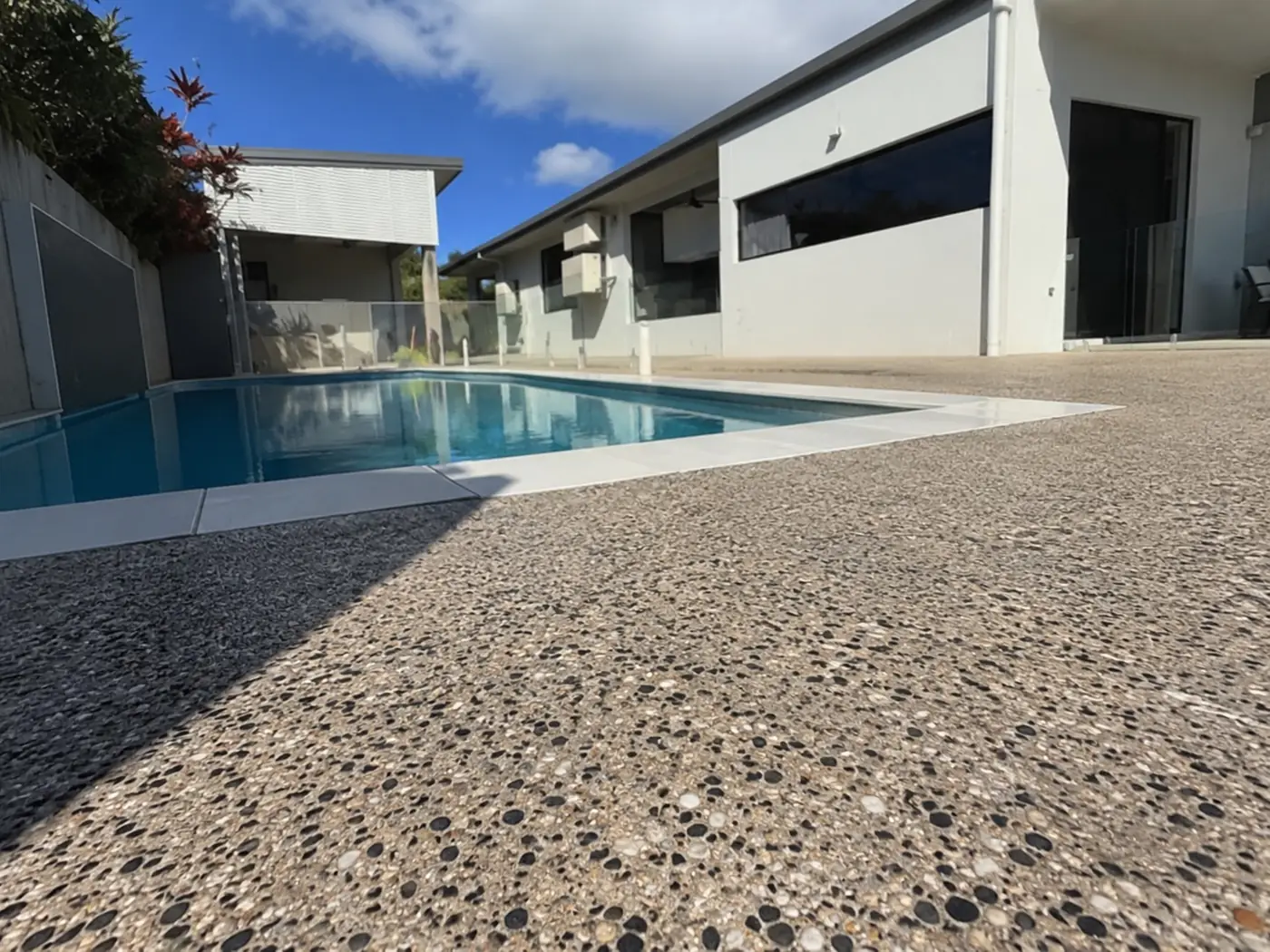
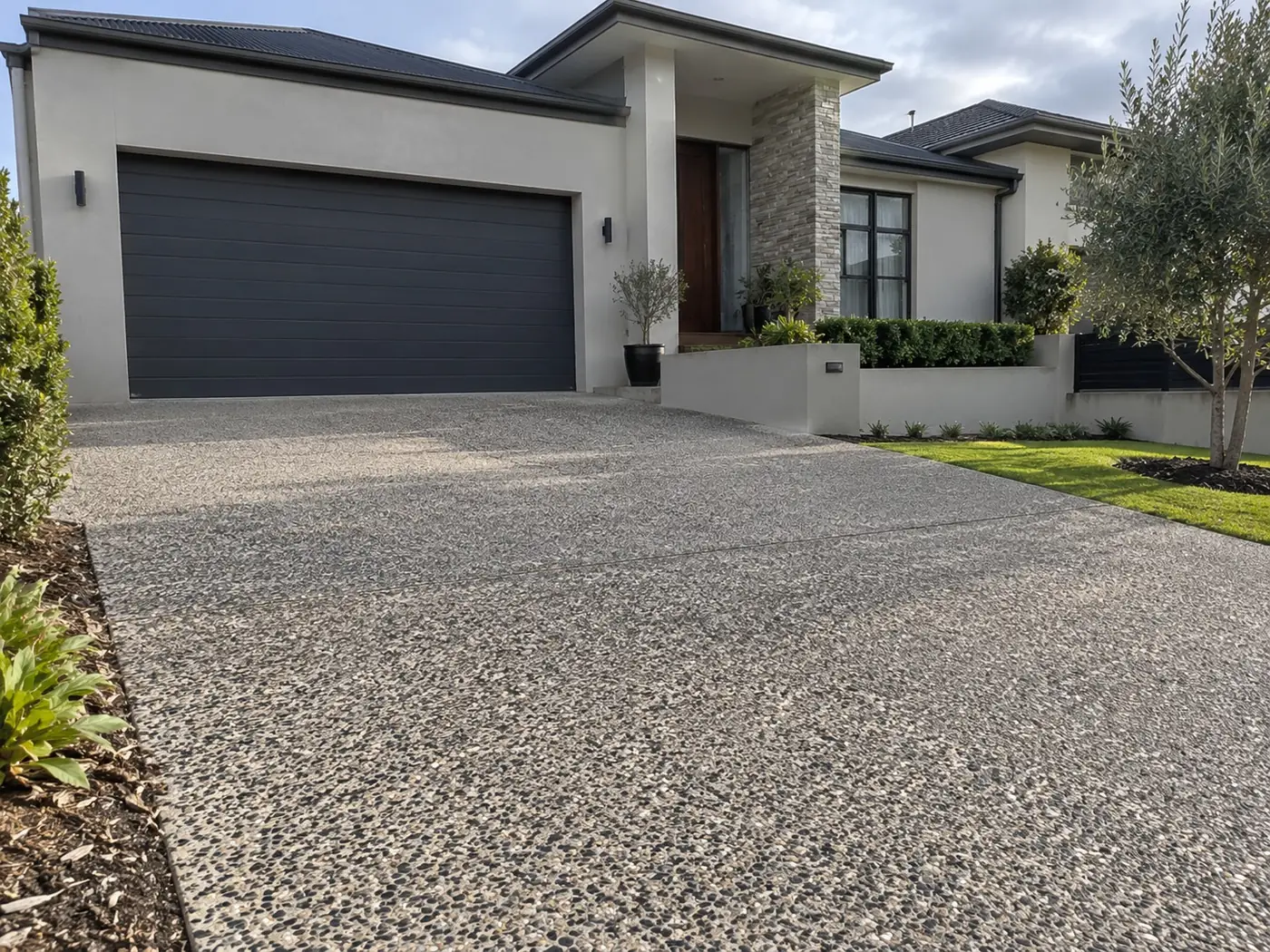
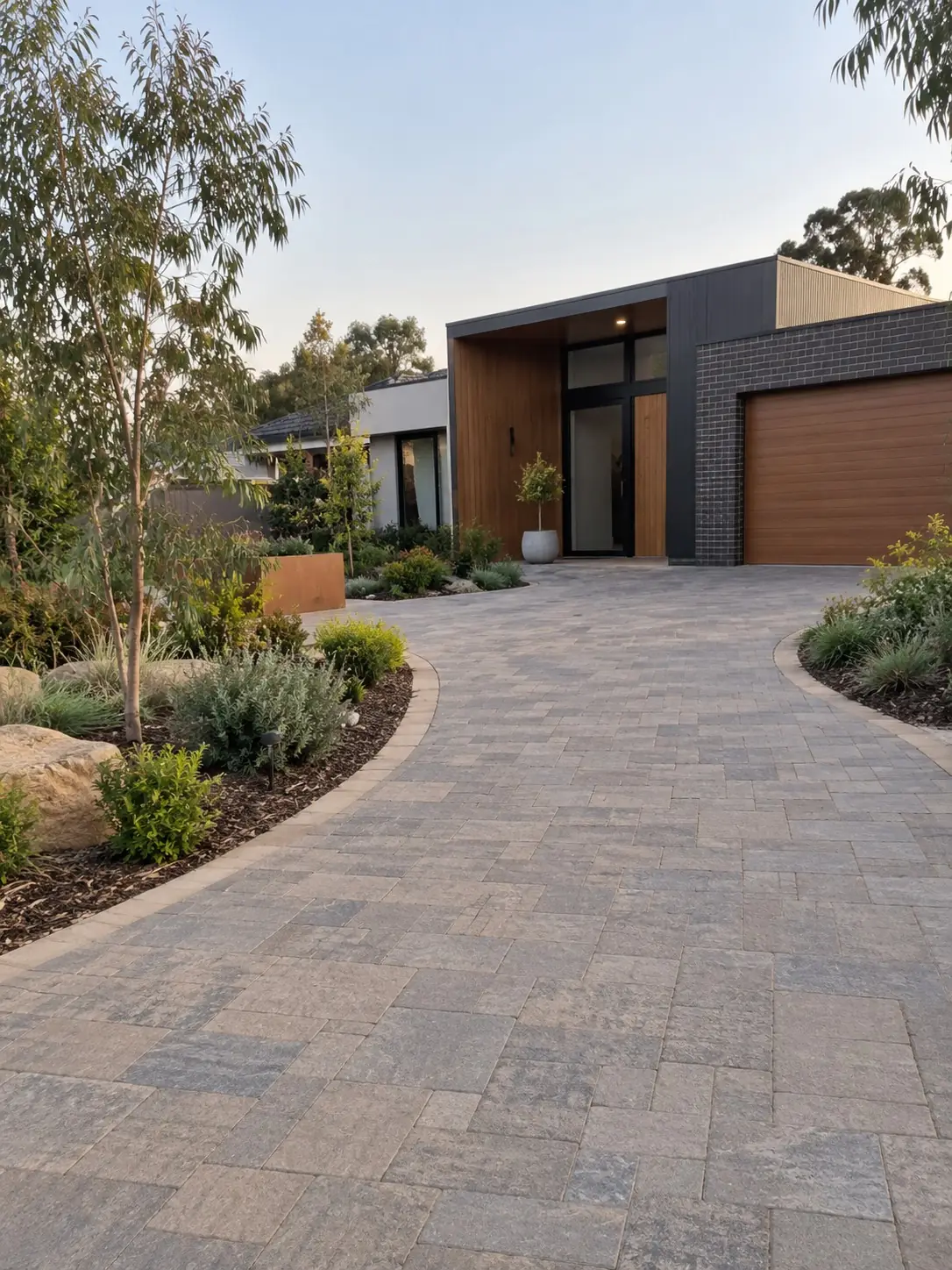
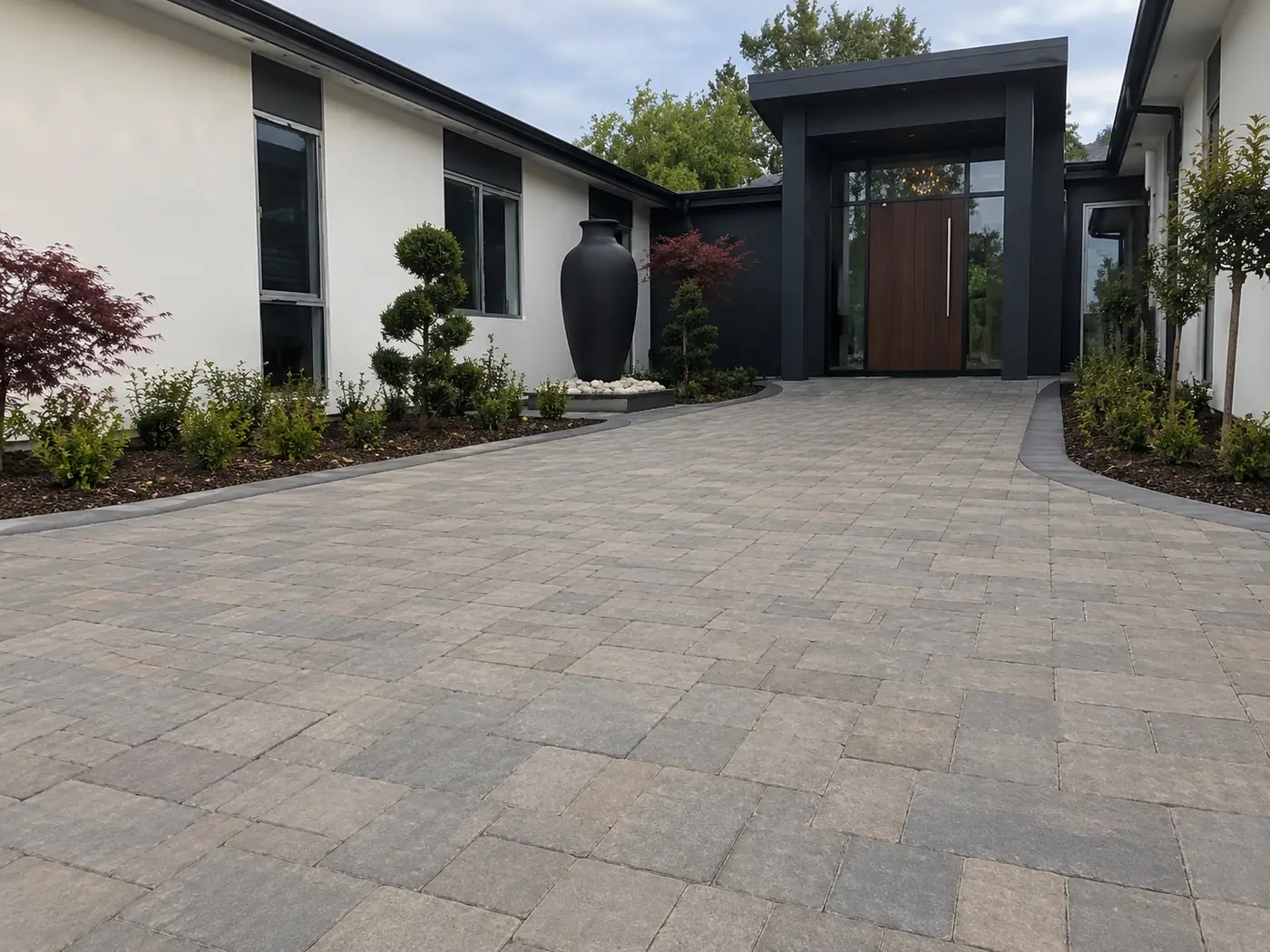
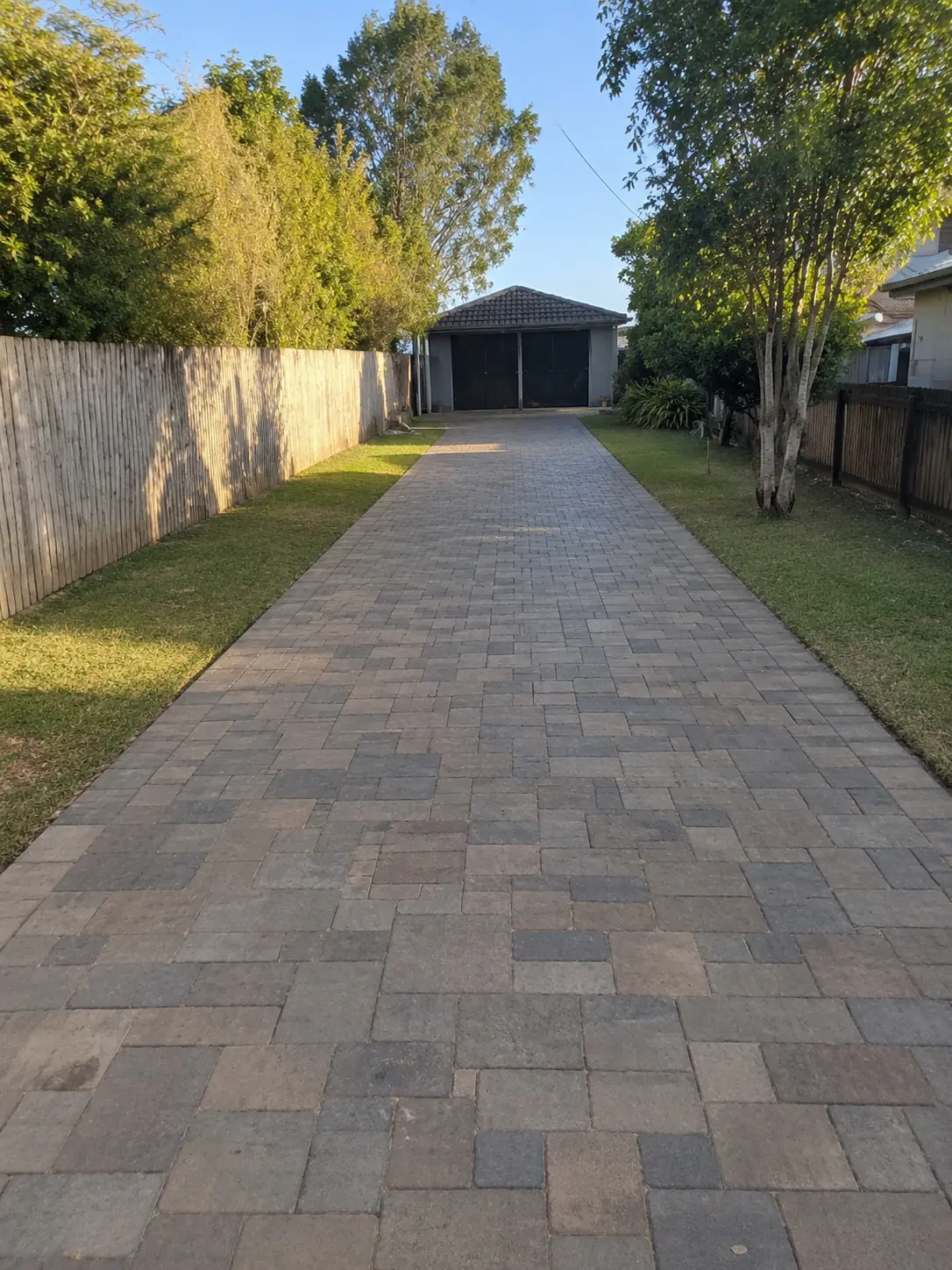
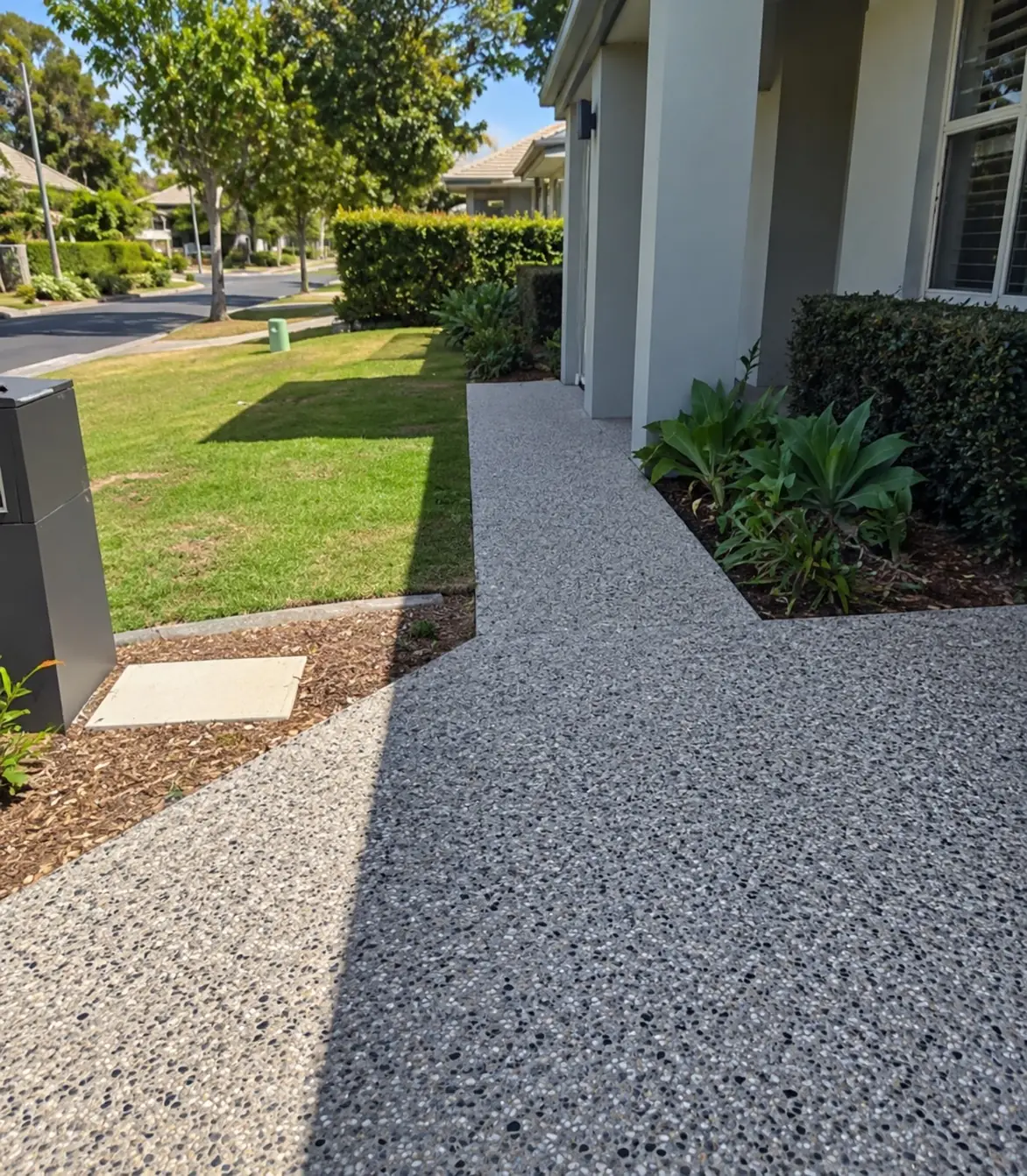
Recent Concrete Jobs Around Darwin
Your Cutting Questions Answered
What Darwin customers ask about saw cutting: timing and spacing for control joints, keeping slurry and dust contained, cutting through steel and core drilling.
Usually on pour day, often only a few hours after finishing, but the exact timing depends on the weather and how quickly the concrete is setting. Cut too early and the blade rips stones out of concrete that's still soft, leaving ragged edges. Leave it too late and the slab may already have cracked in a spot of its own choosing. Darwin's heat brings that moment forward, especially on a hot, windy afternoon, while an overcast morning buys a bit more time. Depth matters just as much: as a rule, a joint needs to go about a quarter of the way through the slab, or it won't create the weak line that cracks will follow.
A common rule of thumb is two to three metres between joints for each 100mm of slab thickness. So for a typical 100mm driveway you'd expect joints every 2 to 3 m, and a 125mm slab can stretch a little further. Try to keep panels close to square, because long, narrow panels tend to crack across the middle regardless of the joints around them. Inside corners at steps, pits and posts concentrate stress and need either a joint or extra reinforcement. Layout is even more important on soft or poorly drained ground, and if your engineer has specified a spacing, that design always takes priority.
With a bit of planning, both are easy to keep in check. Wet cutting runs water over the blade to cool it and stop dust going airborne, but it produces a grey slurry that stains pavers, damages plants and must never be washed into gutters or drains. We contain the work area, vacuum up the slurry and take it away for proper disposal. Dry cutting avoids slurry but creates fine silica dust, so it calls for extraction on the saw and proper respiratory protection. Whether we're inside your home, next to garden beds or near a parked car, we choose the cleanest option for that spot and tell you beforehand what to expect.
Yes. A diamond blade cuts through rebar and mesh along with the concrete, so steel won't stop the job. It does slow the cut and wear blades faster, which affects the price, so let us know early if you know how much steel is in there. On structural elements the real question isn't whether we can cut, it's whether it's safe to. Removing part of a suspended slab, beam or load-bearing wall can change how your building carries its loads, and it may need an engineer's or certifier's sign-off first. If we think that's likely, we'll raise it when quoting, not on the day.
We can. Core drilling gives you a clean, round hole at precisely the size you need, without the cracks and chipped edges you get from bashing through with a hammer drill or jackhammer. Typical jobs include plumbing and stormwater penetrations, electrical and data conduit, balustrade and pool fence posts, and holes for structural anchors. We core through floors and walls in a wide range of sizes. Before drilling, we locate any steel, pipes and cables in the concrete, using drawings or a scan where needed, so there are no surprises halfway through. You end up with a hole that's ready for your plumber or electrician to seal.
Related services worth a look
Need a neat cut in your concrete?
Tell us where the cut needs to go and how thick the concrete is, and we'll arrange a time to visit.