Darwin Concrete Steps Contractors
Call 08 7943 6030Concrete Steps in Darwin
Safe, sturdy concrete steps in Darwin make your entrances, gardens and outdoor areas easier to use and more attractive. We build concrete steps in Darwin for homes, shops, offices and public spaces, with precise measurements, even risers and slip-resistant finishes. Properly built steps are essential for safety, especially in wet tropical conditions.
Our team can construct new concrete steps or repair and replace damaged ones that are cracked, uneven or crumbling. We offer plain, coloured, stamped and exposed aggregate finishes to match your property. Each set of steps is reinforced and finished to handle heavy daily use for years. If you need reliable concrete steps in Darwin built to code and built to last, contact us today for a free quote.
Our Darwin Concrete Step Services
Replacing Timber Stairs
Are your timber steps going soft or getting chewed by termites? We replace them with concrete that wet season rain and white ants can't damage. We match the top step to your door, deck or verandah height, so the transition feels natural.
Landings for Raised Homes
Lots of high-set Darwin homes have timber stairs sitting straight on the dirt or an old cracked pad. We pour a proper concrete landing at the bottom, giving your stringers a dry, solid base and you a clean spot to wipe your feet.
Wide Entertaining Steps
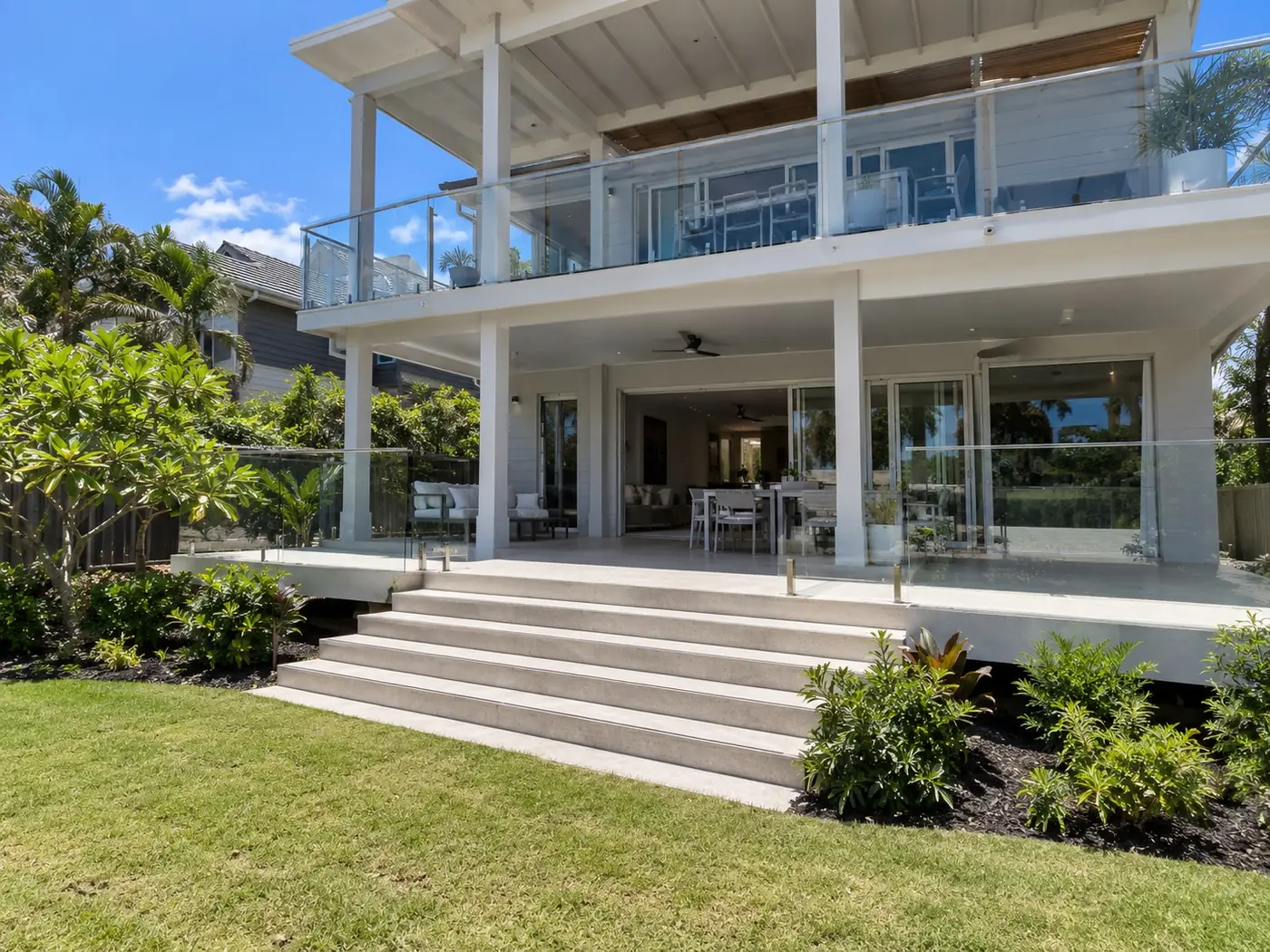
Wide, low steps from your patio down to the lawn or pool double as extra seating when you have people over. We can run them straight or curve them around a garden bed, and they suit outdoor areas where a narrow stair would feel tight.
Side Path and Garage Steps
We build short sets of steps connecting your garage, side path and backyard, often in tight spots along the fence line. We fit them to the space you have and join them to your existing paths, making it much easier to get around the house.
Steps for Businesses and Venues
We build steps for shopfronts, clubs, churches and offices that can take steady foot traffic, built to the measurements set by your designer or certifier. We can pour access ramps at the same time, so everyone has an easy way in.
Repairing Worn Steps
Chipped edges, hollow-sounding treads or a cracked bottom step don't always mean starting again. We cut away loose concrete, rebuild the damaged edges and can apply a fresh topping so the whole set looks even.
How to Get Your Darwin Steps Started
Whether it's a raised house, a pool terrace or a change in level out the back, a good set of concrete steps makes getting around safer every day. We'll help you design steps that suit your site, your home and the people using them.
- Send us a video: A quick phone clip or a few photos show us how high the steps need to go and where they'll start and finish.
- Book a measure on site: We'll work out the rise, tread depth and landing sizes so every step feels even and easy to climb.
- Tell us about handrails: If you're planning a rail or balustrade, let us know and we'll cast fixing points into the concrete ready for it.
Steps can get slippery after a wet season storm, so we use textured finishes and give each tread a slight fall to shed water. Every set is carefully formed for even risers and a solid footing. Call or message us, and we'll put together your free quote for safer access around your home.
Why Darwin Locals Choose Us for Concrete Steps
Footings Down to Solid Ground
Steps sitting on loose fill gradually sink and pull away from the path or door above. We dig down to ground that can carry the weight, which on soft clay or fill can be deeper than you'd expect, and on ironstone can mean some slow work with the breaker.
Landings Where You Need Them
A long set of steps is safer and easier with a break in it. On taller flights, we'll suggest landings at sensible spots, so you have somewhere to rest, room to turn and less distance to fall if you slip.
Tough, Rounded Step Edges
The front edge of each step cops the most knocks. We give every edge a slight round or bevel, so it's less likely to chip, gentler on your shins and still looks sharp after years of bins, barrows and school bags.
Side Soil Kept in Place
In a heavy downpour, soil next to new steps loves to wash onto the treads. Where it's needed, we add edging, small upstands or low retaining on each side to hold the soil back and keep your steps clean.
You Can Still Get In and Out
If the steps are your main way into the house, we plan around that. We order the demolition and pour to keep downtime short, and set up temporary access where practical.
Water Diverted Before the Top
In a storm, runoff from a driveway or path above can turn your steps into a waterfall. We look at where water comes from and add a grate, a fall or a diversion to send it elsewhere before it reaches the treads.
Recent Concrete Jobs Around Darwin
Concrete Steps FAQs
Common questions from Darwin homeowners about concrete steps: step heights, building up to a raised home, cracking and sinking, handrails and how long it all takes.
We work it out from the total height you need to climb. That height is divided into equal risers, usually around 150 mm for home gardens and entries, with treads about 300 mm deep. Keeping every step the same is what matters most. After the first couple, people stop looking down, so a step that's even 10 or 15 mm different from the rest is where people trip. Outdoors, a slightly lower riser with a deeper tread feels safer, because these steps get used in the rain, in thongs and with your arms full of shopping. The National Construction Code has rules for stairs, and on certified jobs we build to whatever the certifier requires.
Yes. Darwin is mostly flat, but raised homes, built-up fill pads, pool terraces and cliff-top blocks around Nightcliff and Fannie Bay all create level changes that need solid steps. The footings have to sit on ground that can carry them, the soil on either side needs retaining so it doesn't slide onto the treads, and taller sets work better with a landing. If we hit hard ironstone or Darwin gravel, it's usually great support, even if it slows the digging. In tight spaces, a dog-leg layout with a landing halfway often fits better than one long straight run and is easier on the legs. We'll look at all this on site before recommending a design.
Fine surface cracks can show up in any concrete and are usually just cosmetic. Sinking is the bigger issue, and it nearly always comes down to a poor footing. Steps built on fill, topsoil or loosely packed ground drop at one end and leave a gap at the path or door. We take our footings down to firm ground and reinforce the whole set so it moves as one. Some Darwin soils, especially clay, fill or poorly drained ground, move between the wet and the dry, which means digging deeper than a quick job would. That extra effort below ground is a big part of what makes steps last.
On most steps it's a smart idea, and on taller sets it's usually required, so check with your local council or a building certifier early. It's best to decide before we pour, because we can cast sleeves or anchor plates into the wet concrete. That's stronger than drilling into finished steps later and avoids chipping an edge. We can install the rail for you, or leave the anchors ready for your own fabricator. On raised homes and around pools, where steps get wet in the wet season or grow algae in the shade, a handrail gives real peace of mind for kids, older visitors and anyone carrying something.
Most residential steps take several days on site, covering the footing dig and pour, building the formwork, then pouring and finishing. Formwork takes the most time, because every riser and tread has to line up exactly. A tall set, retaining walls beside it, rock in the way or tricky access will add time. In the wet season we watch the radar closely before pour day, and in the build-up we start early so the concrete stays workable while we finish it. You can usually walk on them carefully after a couple of days, but go easy on them for the first week while they gain strength.
Other services you might need
Ready to price your steps?
Let us know roughly how high the steps need to go, and we'll come out to measure and plan them.